Wallbox Car Charger: A Comprehensive Guide for Home and Business
A wallbox car charger has become the most popular EV charging solution for both residential and commercial applications. Compact, affordable, and easy to install, wallbox units deliver reliable AC charging for overnight home use, workplace daytime top-ups, and destination retail scenarios. This comprehensive guide covers everything you need to know about selecting, installing, and operating a wallbox car charger that meets your specific needs and budget.
What Is a Wallbox Car Charger?
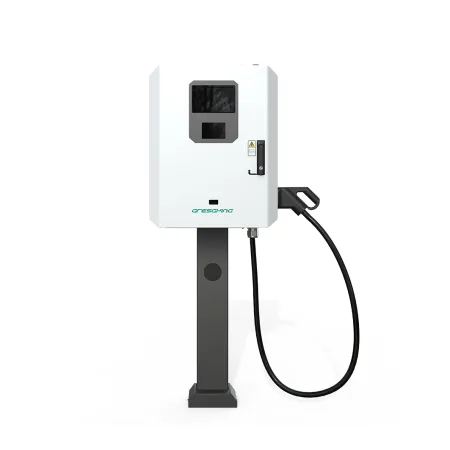
A wallbox car charger (also known as an EV wallbox or AC charging station) is a wall-mounted or pedestal-mounted AC electric vehicle charger designed for semi-permanent installation. Unlike portable charging cables that plug into standard outlets, a wallbox provides dedicated, higher-power charging with built-in safety protections, smart connectivity, and weather-resistant enclosures suitable for indoor or outdoor use.
Power Range: Most wallbox car chargers offer 3.5 kW (16A single-phase) to 22 kW (32A three-phase) output, adding 15–120 km of range per hour of charging depending on power level and vehicle acceptance rate.
Types of Wallbox Car Chargers by Power Level
🔌 3.5–7 kW (Standard Home)
The most common residential wallbox car charger power level, adding 15–40 km/hour. Uses single-phase power and typically requires a dedicated 16–32A circuit. Ideal for overnight charging where 6–10 hours are available.
⚡ 11 kW (Enhanced Home / Workplace)
Three-phase charging at 16A per phase, adding 40–70 km/hour. Requires three-phase electrical supply. Popular for workplace charging and premium residential installations.
🏭 22 kW (Commercial / Fleet)
Maximum AC charging rate using three-phase 32A supply, adding 80–120 km/hour. Best for fleet depots, commercial premises, and public destination charging where higher throughput is needed.
Key Features to Look For
- Smart Connectivity: Wi-Fi, Ethernet, or 4G connectivity enables remote control, scheduling, energy monitoring, and OCPP integration with third-party CMS platforms.
- Load Balancing: Dynamic or static load management distributes available power across multiple chargers or prioritizes charging when grid demand is high — critical for workplace installations with multiple units.
- Authentication Options: RFID card, mobile app, or contactless payment (for commercial units) ensure controlled access and enable usage tracking or revenue collection.
- Weather Protection: Minimum IP54 rating for outdoor installations; IP65+ preferred for coastal or harsh environments where salt, dust, or temperature extremes are concerns.
- Cable Management: Integrated cable holster, retract mechanism, or simple cable hook keeps the charging cable organized, off the ground, and protected from damage or trip hazards.
Installation Considerations
Wallbox Car Charger Brands and Sourcing
When sourcing a wallbox car charger, you can choose from established global brands, regional specialists, or OEM/custom-brand options. Each approach has distinct advantages depending on your volume needs, branding requirements, and budget constraints.
- Global Brand → Proven reliability, wide service network, mature software — higher unit cost but lower TCO
- Regional Specialist → Competitive pricing, local certification focus, faster service response in specific markets
- OEM/Custom Brand → Full branding control, tailored features, exclusive distribution rights — requires MOQ (typically 50–500 units)
- Wholesale/Volume → Best per-unit pricing for large deployments; work with authorized distributors for volume discounts and local support
Conclusion
A wallbox car charger represents the most practical and widely adopted EV charging solution for homes, workplaces, and destination locations. By carefully matching power level to your vehicle's acceptance rate and daily driving needs, selecting smart connectivity features that fit your usage pattern, and ensuring professional installation by a licensed electrician, you can enjoy reliable, convenient, and cost-effective EV charging for years to come.
As EV models continue to improve battery capacity and charge acceptance rates, the wallbox car charger you install today will remain relevant and valuable — especially when selecting units with upgradeable firmware and OCPP-compliant architecture.
Find Your Ideal Wallbox Car Charger
Contact Gresgying for product recommendations, installation guidance, and volume pricing tailored to your specific requirements.
Get Your Free Quote →