What Defines a Professional EV Charging Solution for Business
As electric vehicle adoption accelerates across commercial, municipal, and industrial sectors, organizations increasingly seek a professional EV charging solution that goes beyond standalone hardware. A truly professional approach encompasses hardware selection, software integration, energy management, installation services, and long-term operational support — all orchestrated under a unified strategy. This article outlines the key attributes that distinguish professional-grade EV charging deployments from basic equipment purchases.
The Difference Between Equipment and a Solution
Buying an individual charger is straightforward. Delivering a professional EV charging solution requires a fundamentally different mindset. Where equipment-focused purchasing treats each charger as an isolated transaction, a solutions-oriented approach considers the entire charging ecosystem as an integrated system designed around specific operational objectives.
Core Insight: Organizations that adopt a professional EV charging solution report 40% lower total cost of ownership over five years compared to those that procure chargers ad-hoc without a coordinated strategy. The savings come from optimized hardware mix, streamlined operations, and reduced downtime.
Five Pillars of a Professional EV Charging Solution
🔧 1. Tailored Hardware Portfolio
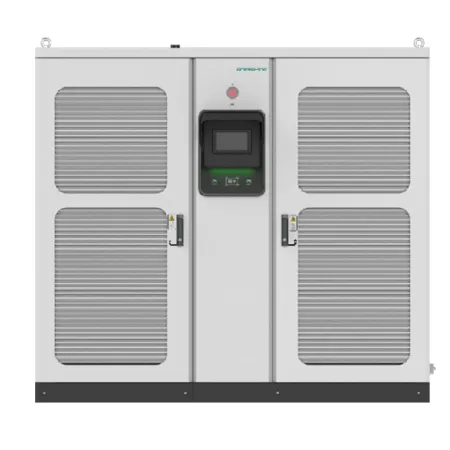
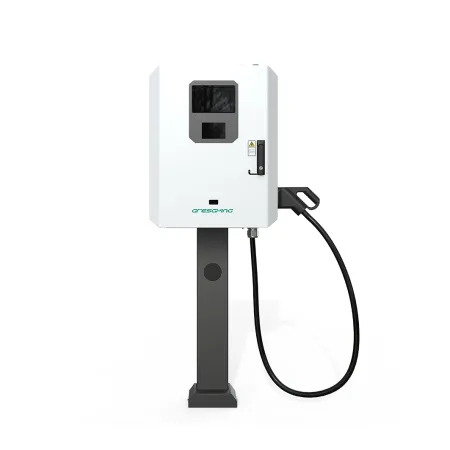
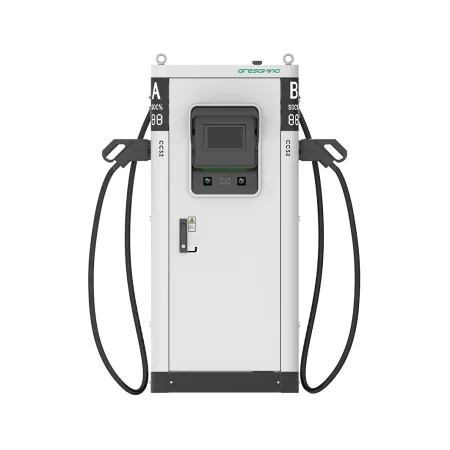
A professional solution matches charger types precisely to site requirements — from AC wallboxes for overnight employee charging to 60kW DC fast chargers for high-turnover retail bays and 120–180 kW units for highway corridor sites. One size does not fit all.
☁ 2. Unified Software Platform
Centralized management through an OCPP-compliant CMS provides real-time monitoring, usage analytics, dynamic pricing, multi-tenant billing, and remote diagnostics across all deployed chargers regardless of model or manufacturer. A single pane of glass eliminates operational fragmentation.
⚡ 3. Intelligent Energy Management
Smart load balancing, peak-shaving algorithms, time-of-use optimization, and optional PV-ESS hybrid integration minimize electricity costs while maximizing renewable energy consumption. For large-scale deployments, this can reduce energy expenses by 20–35% annually.
🏗 4. Turnkey Installation & Commissioning
Professional solutions include site surveys, electrical design, civil works coordination, utility liaison, installation, testing, certification handover, and operator training — not just hardware delivery. The goal is a fully operational system from day one.
🛠 5. Lifecycle Maintenance & Support
Proactive maintenance schedules, predictive fault detection via IoT telemetry, on-site service SLAs (typically 99%+ uptime commitment), spare parts availability, and firmware update management ensure maximum charger availability throughout the asset's operational life.
Professional Solutions by Use Case
How to Evaluate a Professional EV Charging Solution Provider
- Product Breadth: Does the supplier offer AC wallboxes, DC fast chargers, ultra-fast HPC terminals, and integrated energy systems from a single source? Product diversity simplifies procurement and support.
- Software Ecosystem: Is the CMS platform mature, OCPP-compliant, and capable of integrating with third-party systems? Vendor lock-in is a significant long-term risk in fragmented software environments.
- Global Certifications: CE, TUV, UL, CHAdeMO, CCS, GB/T, and regional safety certifications demonstrate compliance readiness across target markets.
- Reference Projects: Request case studies from similar deployment types. A credible provider will share verifiable performance data from completed installations.
- Service Infrastructure: Evaluate local presence, response time commitments, spare parts logistics, and training resources available in your operating region.
Conclusion: Investing in Professionalism
A professional EV charging solution is not merely a collection of chargers — it is a strategically designed, fully supported infrastructure system aligned with your business objectives, budget constraints, and growth trajectory. By prioritizing hardware quality, software openness, energy intelligence, turnkey delivery, and lifecycle support, organizations position their EV charging investment for sustainable returns rather than costly experimentation.
The transition to electric mobility is accelerating. Choosing a professional partner today determines whether your charging infrastructure becomes a competitive advantage or an ongoing operational burden.
Build Your Professional EV Charging Solution with Gresgying
From initial consultation to post-deployment support, our team delivers end-to-end professional EV charging solutions tailored to your specific needs.
Start Your Project →