AC Charging Solution: Complete Guide to AC vs DC Charging for Residential and Commercial Applications
Selecting the right AC charging solution requires understanding how alternating current charging works, where it excels compared to DC fast charging, and how to match charging infrastructure to specific use cases. This comprehensive guide examines AC charging technology, equipment options, application scenarios, and implementation strategies for homeowners, businesses, and fleet operators seeking efficient electric vehicle charging solutions.
Understanding AC Charging Technology
AC (Alternating Current) charging represents the most common method for recharging electric vehicle batteries in daily use. In this process, AC power from the electrical grid flows through the charging station to the vehicle's onboard charger, which converts AC to DC and manages battery charging. The onboard charger's power rating fundamentally limits charging speed, typically ranging from 3.7kW to 22kW for most passenger vehicles.
This architecture offers significant advantages: simpler equipment design, lower infrastructure costs, reduced heat generation, and extended battery life through controlled charging rates. AC charging stations function primarily as safety interfaces and power delivery conduits, with sophisticated charging management handled by the vehicle's internal systems. This design philosophy prioritizes reliability and battery longevity over raw charging speed.
AC Charging vs DC Fast Charging: Key Differences
When to Choose AC Charging Over DC:
✓ Overnight charging: 8-12 hours parked at home or work
✓ Workplace charging: Extended parking durations during business hours
✓ Retail destinations: 1-3 hour shopping or dining experiences
✓ Multi-family housing: Shared parking with predictable charging schedules
✓ Cost-sensitive applications: Lower equipment and installation costs
Residential AC Charging Solutions
Home AC charging represents the primary charging method for most EV owners, offering convenient overnight charging that meets daily driving requirements. A Level 1 charger using a standard 120V household outlet provides approximately 3-5 miles of range per hour, suitable for plug-in hybrids or vehicles with limited daily mileage. Level 2 charging through a 240V circuit delivers 25-35 miles of range per hour, fully charging most EVs overnight.
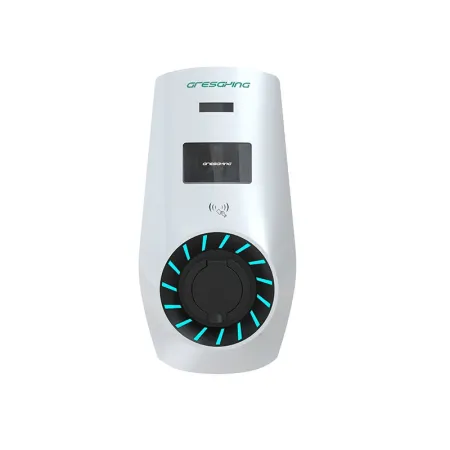
Installing a dedicated Level 2 charging station requires electrical service assessment and potentially panel upgrades to accommodate the additional load. Professional installation ensures code compliance and optimal charging performance. Smart wallbox chargers offer scheduling features that align charging with off-peak electricity rates, load balancing that prevents circuit overloads, and remote monitoring through smartphone applications.
Commercial AC Charging Applications
Commercial properties benefit significantly from workplace charging solutions that attract and retain employees while demonstrating environmental commitment. Multi-family residential buildings require shared charging infrastructure that serves diverse resident schedules efficiently. Retail and hospitality venues increasingly offer destination charging as customer amenities that extend visit durations.
Commercial AC charging deployment requires careful load management to avoid electrical infrastructure upgrades. Dynamic load balancing systems automatically distribute available power across multiple charging stations, maximizing utilization without exceeding service capacity. Networked charging systems enable centralized management, usage-based billing, and revenue generation opportunities through transparent pricing models.
Selecting the Right AC Charging Solution
- ● Assess electrical capacity: Evaluate available electrical service, panel capacity, and circuit availability before selecting charging equipment.
- ● Match power to vehicle capability: Select charging equipment that supports your vehicle's maximum acceptance rate without over-specifying for future needs.
- ● Consider smart features: Scheduling, monitoring, and load management capabilities add value beyond basic charging functionality.
- ● Plan for scalability: Install infrastructure that accommodates additional charging stations as EV adoption increases.
- ● Verify certifications: Ensure equipment meets local safety standards and carries appropriate certifications for your market.
AC Charging Equipment Options
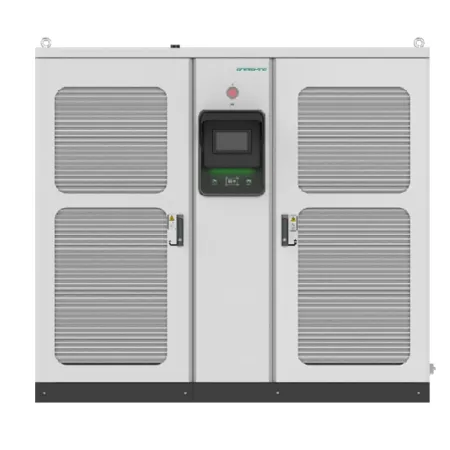
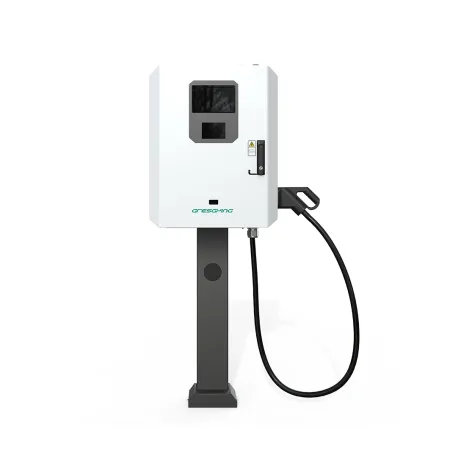
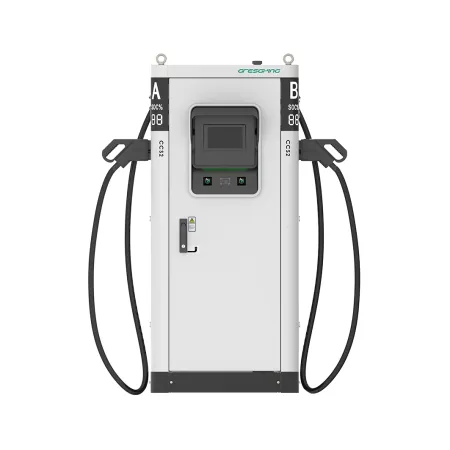
The market offers diverse AC charging equipment options designed for different applications and budgets. Basic wallbox chargers provide reliable charging without advanced features at competitive price points. Smart wallboxes incorporate connectivity, scheduling, and energy monitoring capabilities for enhanced user experience. Commercial pedestals support multiple vehicles simultaneously with user authentication and payment integration.
Gresgying Digital Technology Co., Ltd delivers comprehensive AC charging solutions spanning residential wallboxes, commercial charging stations, and complete solution packages. Our products combine proven reliability with competitive pricing, making quality AC charging accessible for every application.
"The best charging strategy combines overnight home AC charging for daily needs with targeted DC fast charging for long-distance travel and urgent requirements."
Implementation Best Practices
Successful AC charging implementation requires attention to site preparation, equipment selection, and ongoing operations. Coordinate with qualified electrical contractors experienced in EV charging installation to ensure code compliance and optimal performance. Establish clear policies for usage allocation, pricing, and access management in shared commercial environments. Regular maintenance and firmware updates maintain system reliability and security over the equipment lifecycle.
User education significantly impacts satisfaction with AC charging infrastructure. Provide clear instructions for charging procedures, payment methods, and troubleshooting common issues. Deploy user support channels including phone, email, and app-based assistance to resolve issues quickly and maintain positive charging experiences.
Find Your Perfect AC Charging Solution
Explore our complete range of AC charging products designed for every application and budget.
Get Expert Guidance