AC Charger Factories: Selecting Manufacturing Partners for Quality EV Charging Equipment
The exponential growth of the electric vehicle market has elevated AC charger factories to critical infrastructure providers in the global energy transition. As businesses seek reliable charging solutions for residential, commercial, and fleet applications, understanding how to evaluate and partner with AC charger manufacturing facilities becomes essential for market success. This guide provides comprehensive insights into assessing factory capabilities, production standards, and partnership models.
Understanding AC Charger Factory Operations
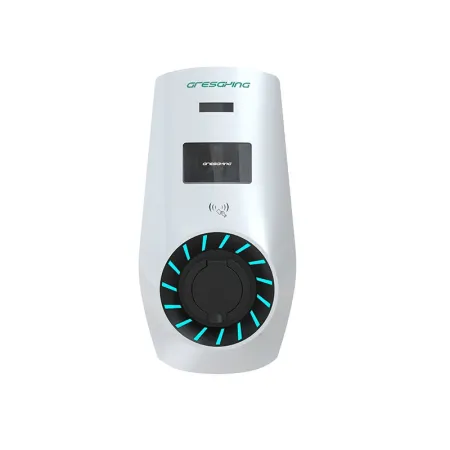
AC charger factories specialize in manufacturing Level 1 and Level 2 charging equipment that converts AC power from the electrical grid into DC power stored in vehicle batteries. Modern factories produce a diverse range of products including portable chargers, wallbox stations, and commercial charging pedestals with power ratings from 3.7kW to 22kW. Production facilities must maintain rigorous quality management systems certified to ISO 9001 standards while complying with regional safety regulations.
Leading AC charger factories differentiate through vertical integration, controlling production of power electronics, enclosure manufacturing, and smart connectivity modules in-house. This integration ensures tighter quality control, faster production cycles, and greater flexibility in accommodating custom requirements. The most competitive factories invest heavily in automated testing and quality assurance infrastructure that validates every unit before shipment.
Key Factory Evaluation Criteria
Essential Factory Assessment Parameters:
• Manufacturing certifications: ISO 9001, IATF 16949 (automotive)
• Product safety certifications: CE, UL, ETL, CCC
• Production automation level: SMT lines, robotic assembly
• Testing infrastructure: Hi-pot, AOI, functional testing
• Environmental compliance: RoHS, WEEE, REACH
Production Capacity Assessment
Evaluating AC charger factories requires careful analysis of production capacity against your business requirements. Capacity assessment should examine not only total annual output but also flexibility to accommodate peak demand periods and new product introductions. Leading factories maintain dedicated production lines for different product categories, enabling simultaneous manufacturing without cross-contamination of quality standards.
Consider the factory's ability to scale production as your business grows. A partner with constrained capacity may struggle to fulfill large orders or require extended lead times that impact your inventory management. The ideal manufacturing partner demonstrates consistent capacity utilization between 60-80%, indicating stable operations while retaining headroom for growth.
Supply Chain Management Excellence
Superior AC charger factories implement robust supply chain management systems that ensure component availability while optimizing inventory costs. Strategic component sourcing from established suppliers like Infineon, ON Semiconductor, and TE Connectivity provides consistent quality for critical charging electronics. Long-term supplier agreements and buffer stock policies mitigate disruption risks that could impact production schedules.
Evaluate the factory's inventory management practices and component traceability systems. Full traceability from incoming materials to finished products enables rapid issue identification and resolution while supporting warranty claim processing. Digital supply chain visibility tools provide real-time insights into production status, helping partners plan inventory and logistics more effectively.
Technical Support and After-Sales Service
The partnership with AC charger factories extends beyond production to encompass ongoing technical support and service capabilities. Leading manufacturers provide comprehensive technical documentation including installation guides, user manuals, and troubleshooting procedures in multiple languages. Technical support teams should be accessible through multiple channels to assist with deployment and operational issues.
- ● Firmware update support: Regular updates addressing security vulnerabilities and feature enhancements.
- ● Warranty coverage: Comprehensive warranty terms covering manufacturing defects and component failures.
- ● Spare parts availability:readily available replacement parts for common maintenance needs.
- ● Technical training: Product training programs for distributor and installer networks.
- ● RMA processes: Efficient return merchandise authorization procedures for defective units.
Cost Structure and Pricing Models
Understanding AC charger factory pricing structures helps businesses negotiate favorable terms and optimize total cost of ownership. Factory pricing typically follows tiered volume discount models where unit costs decrease as order quantities increase. However, the lowest price does not always represent the best value when quality, reliability, and service considerations factor into the analysis.
Beyond unit pricing, evaluate incoterms (EXW, FOB, CIF, DDP), payment terms, and logistics costs that affect total procurement expense. Some factories offer integrated logistics solutions that simplify customs clearance and last-mile delivery, potentially offsetting higher unit prices with reduced administrative burden and delivery risk.
"Factory partnerships succeed when both parties invest in understanding market requirements and aligning production capabilities accordingly."
Building Long-Term Manufacturing Partnerships
Successful relationships with AC charger factories建立在 mutual trust, clear communication, and aligned business objectives. Establish regular communication cadences with factory management to address production issues promptly and identify improvement opportunities. Joint planning sessions for product roadmaps and demand forecasting strengthen partnerships and ensure production capacity alignment.
Gresgying Digital Technology Co., Ltd operates world-class manufacturing facilities delivering premium AC charging solutions to global markets. Our comprehensive EV charging solutions are backed by rigorous quality systems, scalable production capacity, and dedicated partnership support. Whether you require standard products or customized charging equipment, we deliver manufacturing excellence.
Find Your Ideal AC Charger Manufacturing Partner
Our team is ready to discuss your production requirements, volume commitments, and partnership models.
Request Factory Consultation