The Ultimate Guide to Building a Scalable EV Charging Hub for Modern Cities and Fleets
As electric vehicle ownership surges across global markets, the demand for centralized, high-capacity charging infrastructure has never been more urgent. The ev charging hub has emerged as the definitive answer to this challenge — a purpose-built facility that consolidates multiple high-power chargers, smart energy management systems, and driver amenities into a single, efficient location. Unlike scattered standalone chargers, a well-designed ev charging hub maximizes land utilization, minimizes grid connection costs per charger, and delivers the throughput required to serve urban fleets, highway travelers, and commercial districts simultaneously. This guide explores everything you need to know about planning, deploying, and operating an EV charging solution at scale.
What Is an EV Charging Hub?
An ev charging hub is a concentrated charging facility that typically houses between four and twenty or more charging points within a single site. These hubs range from compact urban depots equipped with 60kW DC fast chargers to large highway corridor installations featuring ultra-fast HPC terminals capable of delivering up to 480 kW per session. What distinguishes an ev charging hub from conventional charging stations is its integrated architecture: shared power infrastructure, centralized energy management, unified payment and authentication systems, and often complementary services such as retail, rest areas, or fleet management offices co-located on-site.
Why EV Charging Hubs Are Critical Infrastructure
The shift from individual charger deployment to hub-based infrastructure reflects several converging market realities:
- Grid Efficiency: A single high-capacity grid connection serving ten or more chargers in one location is far more cost-effective than ten separate low-power connections dispersed across a city. The ev charging hub model reduces per-charger grid upgrade costs by an estimated 30–50% compared to distributed deployments.
- Land Optimization: In dense urban environments where real estate commands premium value, concentrating charging capacity into a single footprint allows developers to maximize revenue-generating potential per square meter while still meeting growing EV driver demand.
- Driver Convenience: Modern EV drivers expect gasoline-station-like experiences — pull in, plug in, charge quickly, and continue their journey. An ev charging hub with multiple simultaneous fast-charging bays eliminates the frustration of waiting for a single occupied charger.
- Scalable Growth Path: Modular hub designs allow operators to start with a smaller configuration and add booster terminals and additional power modules as utilization increases, protecting capital efficiency throughout the asset lifecycle.
Core Components of a Modern EV Charging Hub
High-Power DC Charging Terminals
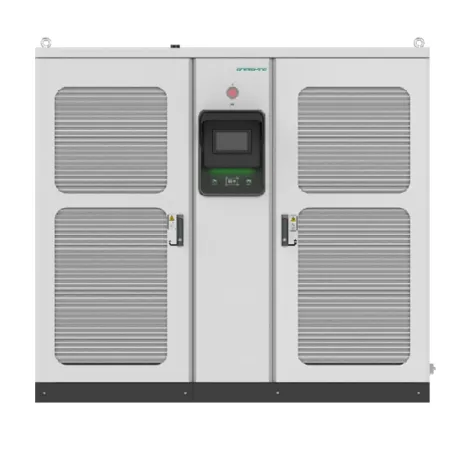
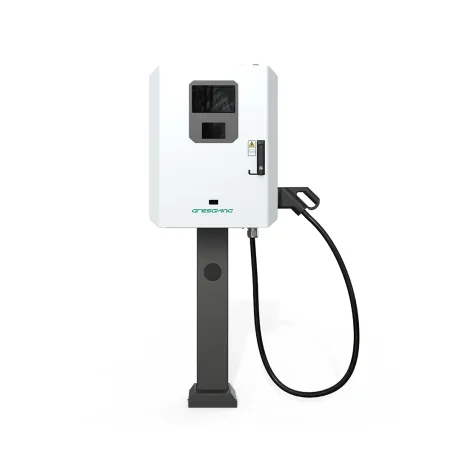
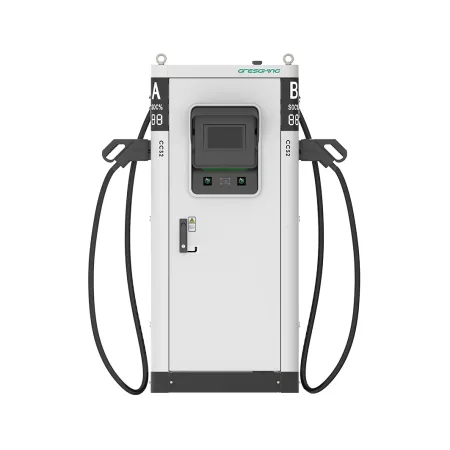
The heart of any ev charging hub is its DC fast charging hardware. From 120–180 kW standard fast chargers suitable for 20–30 minute sessions to ultra-fast units exceeding 350 kW, terminal selection determines maximum throughput and vehicle compatibility. Liquid-cooled cable systems reduce operator fatigue and enable higher sustained power delivery.
Power Management System (PMS)
A sophisticated PMS dynamically allocates available grid capacity across all active chargers in real time. When a hub operates near its power ceiling, the system intelligently throttles individual sessions to prevent overloading — ensuring every connected vehicle receives optimal charge without tripping site breakers.
Energy Storage Integration
Advanced ev charging hub installations increasingly incorporate battery energy storage systems (BESS) or PV-ESS hybrid solutions. Stored energy buffers peak-demand charges, enables solar self-consumption during daytime operations, and provides backup power during grid outages.
Centralized Software Platform
OCPP-compliant software unifies charger monitoring, transaction processing, remote diagnostics, pricing management, and reporting into a single dashboard. Operators gain full visibility into hub performance across all terminals without managing each unit independently.
Common Deployment Scenarios for EV Charging Hubs
| Scenario | Typical Power Configuration | Primary User Segment |
|---|---|---|
| Highway Service Areas | 360–480 kW ultra-fast + 60–120 kW fast mix | Long-distance travelers, ride-hailing drivers |
| Fleet Depot Hubs | 60–180 kW DC with scheduled charging profiles | Delivery vans, logistics trucks, municipal vehicles |
| Retail Destination Hubs | Mixed AC/DC (7–60 kW) with wayfinding integration | Shopping center visitors, diners, hotel guests |
| Urban Transit Hubs | 150–240 kW DC clusters near transit stations | Commuters, carshare operators, taxi fleets |
| Municipal Public Networks | Multi-standard interoperable stations | General public, rideshare, last-mile delivery |
Key Planning Considerations Before Building Your EV Charging Hub
- Site Selection & Power Availability: Conduct a thorough electrical feasibility study before committing to a location. Proximity to medium-voltage substations, existing transformer headroom, and local utility interconnection policies directly impact both capital expenditure and project timelines for your ev charging hub.
- Traffic Flow & Accessibility: Position charging bays to accommodate large vehicles (SUVs, pickup trucks, light commercial vehicles) with adequate turning radii. Clear signage, well-lit pathways, and ADA-compliant access are non-negotiable for public-facing hubs.
- Charger Mix Strategy: Not every bay needs ultra-fast capability. A balanced ev charging hub typically allocates 30–40% of positions to high-power DC for quick top-ups and reserves the remainder for mid-power DC or even AC wallboxes for longer dwell-time scenarios.
- Revenue Model Design: Define your monetization strategy early — pay-per-kWh subscription plans, parking-bundled pricing, fleet contract rates, or advertising-supported free charging. Each model carries different implications for hardware selection, software requirements, and ROI projections.
- Future-Proofing: Design conduit runs, civil structures, and power allocations with headroom for expansion. A well-planned ev charging hub should accommodate technology refreshes — such as V2G upgrades or higher-voltage architectures — without requiring complete reconstruction.
Real-World Example: Gresgying recently deployed a 240kW group charging hub in Malaysia for TNBS (Tenaga Nasional Berhad), demonstrating how modular hub architecture can deliver reliable high-throughput charging in tropical climate conditions while maintaining 99%+ uptime.
ROI Analysis: What Makes an EV Charging Hub Profitable?
Investing in an ev charging hub requires significant upfront capital, but the return drivers are compelling when executed correctly:
- High Utilization Throughput: Multi-charger configurations naturally achieve better equipment utilization than isolated single-point installations because drivers have alternatives if one bay is occupied, reducing abandonment rates and increasing total session volume.
- Ancillary Revenue Streams: Co-located retail, food service, convenience stores, and advertising displays transform a pure utility installation into a destination that generates secondary income beyond charging fees alone.
- Demand Charge Mitigation: Smart load management combined with on-site storage dramatically reduces utility demand charges — often the largest operational expense for high-power DC installations.
- Government Incentives: Many jurisdictions offer capital grants, tax credits, accelerated depreciation, or subsidized electricity tariffs for qualifying public fast charging infrastructure projects, shortening payback periods significantly.
Operating & Maintaining Your EV Charging Hub
Deployment is only the beginning. Long-term success of an ev charging hub depends on disciplined operational practices:
- Remote Monitoring & Diagnostics: Leverage IoT connectivity to track charger health, identify faults before they cause downtime, and deploy firmware updates remotely. Proactive maintenance reduces truck-roll incidents by up to 40% compared to reactive models.
- Regular Preventive Maintenance: Schedule periodic inspections of cable assemblies, connector pins, cooling systems, and electrical panels. Environmental exposure — especially in coastal or high-humidity regions — accelerates component wear that preventive care can mitigate.
- Customer Experience Focus: Ensure payment systems support all major methods (credit/debit cards, mobile wallets, RFID, QR codes), provide clear pricing visibility, and maintain clean, safe, well-lit facilities. Driver satisfaction drives repeat usage and positive word-of-mouth.
- Data-Driven Optimization: Analyze session patterns, peak hours, average dwell times, and energy consumption trends to continuously refine charger allocation, pricing tiers, and promotional strategies.
Conclusion: The EV Charging Hub as a Cornerstone of Sustainable Mobility
The transition to mass electric mobility demands infrastructure that matches the scale, reliability, and convenience expectations of modern transportation users. The ev charging hub represents the most effective architectural response to this demand — combining high-power hardware, intelligent energy management, scalable design principles, and customer-centric operations into a cohesive platform that serves cities, fleets, and communities alike.
Whether you are a charging infrastructure developer, a municipal planner, a fleet manager, or a commercial property owner, investing in a properly engineered ev charging hub today positions you at the forefront of the sustainable transportation revolution. The technology exists, the business case is proven, and the market demand is accelerating — the time to act is now.
Ready to Build Your EV Charging Hub?
Contact our technical experts for a free consultation on hub design, power planning, and deployment strategies tailored to your specific site conditions and business goals.