EV Fast Charging Solution: A Complete Guide to Rapid Infrastructure
For businesses and municipalities seeking to meet the expectations of today's time-conscious EV drivers, an EV fast charging solution is no longer optional — it is essential. Fast charging (typically defined as DC charging at 50 kW and above) reduces session times from hours to minutes, enabling high vehicle throughput, improved customer satisfaction, and stronger revenue economics for site operators. This guide covers the technology components, deployment strategies, and business considerations that define a successful fast charging infrastructure project.
What Qualifies as an EV Fast Charging Solution?
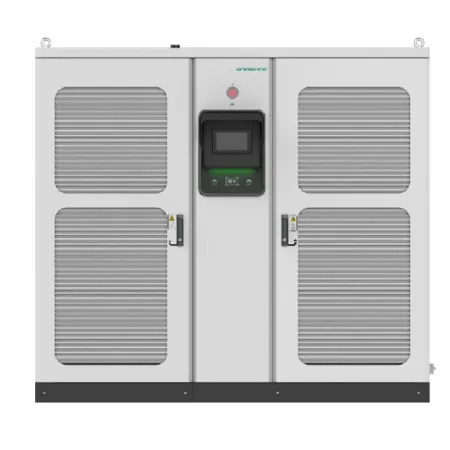
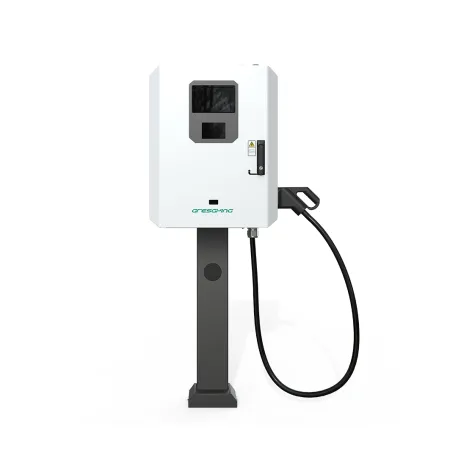
An EV fast charging solution comprises DC chargers capable of delivering 50 kW or more directly to the vehicle battery, supported by power infrastructure, software management, payment systems, and operational processes. Unlike slower AC alternatives that serve overnight or extended-stay scenarios, fast charging is purpose-built for drivers who need meaningful range added in the shortest possible time.
Industry Standard: The term "fast charging" generally refers to DC output of 50–150 kW, while "ultra-fast" or "high-power" charging (HPC) denotes 150 kW and above, including megawatt-class systems capable of 350–480+ kW per connector.
The Technology Stack Behind Fast Charging
🔋 DC Power Conversion Core
At the heart of every DC fast charger lies its power module stack. Modern units leverage SiC (Silicon Carbide) technology for conversion efficiencies exceeding 95%, reducing energy waste and heat generation while extending component life.
❄ Advanced Thermal Management
Fast charging generates substantial heat. Liquid-cooled systems maintain optimal operating temperatures even during continuous high-output sessions, ensuring consistent power delivery across -35°C to +55°C ambient conditions.
🔌 Multi-Standard Connector Support
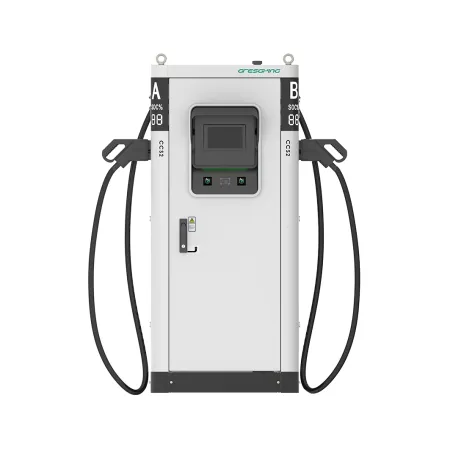
A comprehensive fast charging solution supports CCS1 (North America), CCS2 (Europe), CHAdeMO, and GB/T (China) standards — often with dual-gun configurations on a single unit to maximize compatibility and utilization.
☁ Cloud-Connected CMS Platform
OCPP-compliant connectivity enables real-time monitoring, remote diagnostics, firmware over-the-air updates, dynamic pricing, multi-method payment processing, and seamless roaming with third-party e-Mobility Service Providers (eMSPs).
Fast Charging Power Tiers Explained
Key Benefits of Deploying an EV Fast Charging Solution
- High Vehicle Throughput: A single fast charger can serve 8–15 vehicles per day compared to 1–3 for AC units, directly translating to higher per-charger revenue and shorter driver queues.
- Enhanced Driver Experience: Sub-hour sessions align with natural break times — shopping, dining, coffee stops — increasing customer satisfaction and likelihood of return visits.
- Competitive Differentiation: Visible fast charging infrastructure attracts EV-driving customers who actively seek out charging-friendly destinations via navigation apps and EV community platforms.
- Future-Proof Investment: Fast charging hardware designed with modular architectures can be upgraded or expanded as EV battery capacities and charge acceptance rates increase over coming years.
- ESG & Sustainability Goals: Deploying public fast charging demonstrates concrete commitment to decarbonization, supporting corporate sustainability reporting and regulatory compliance objectives.
Planning Your Fast Charging Deployment
- Site Assessment → Grid capacity analysis, electrical load evaluation, and space planning are critical first steps before any equipment selection.
- Power Tier Selection → Match charger power levels to user dwell time patterns and grid availability — not all sites need maximum power.
- Software & Payments → Choose OCPP-compliant hardware with flexible payment options (credit card, mobile wallet, RFID) to maximize user accessibility.
- Revenue Modeling → Build realistic projections based on expected utilization, electricity costs, maintenance expenses, and available government incentives. Refer to our detailed DC charger ROI analysis.
- Scalability Planning → Design electrical infrastructure with headroom for future expansion — adding chargers later should not require complete reconstruction.
Conclusion
An EV fast charging solution represents a strategic infrastructure investment that delivers measurable benefits across multiple dimensions: revenue generation, customer attraction, environmental impact, and future readiness. By combining appropriately powered DC hardware, intelligent software management, and professional installation support, organizations can build fast charging networks that perform reliably and profitably from day one.
The window for securing prime charging locations is narrowing as competition intensifies. Acting now to deploy a well-planned fast charging solution positions your organization at the forefront of the electric mobility revolution.
Ready to Implement Your Fast Charging Solution?
Contact Gresgying's technical team for customized fast charging proposals tailored to your site conditions and business goals.
Get Started Today →